Key Takeaways
- Bubbles in window tint usually come from trapped air, moisture, or dirt in the adhesive layer during installation or curing.
- Water bubbles may disappear within 7–30 days, but air bubbles usually stay and need correction.
- Safe DIY fixes only work for small air bubbles and require careful squeegeeing and light heat shrinking.
- Poking, scraping, or overheating the tint can permanently damage the scratch-resistant coating and cause peeling.
- Professional repair or replacement is required when bubbles are sharp-edged, cloudy, or keep coming back.
What Causes Bubbles In Window Tint?
Bubbles form when the adhesive does not stick evenly to the glass under the tint film. This usually happens during installation or while the tint is curing. The most common causes include:
- Moisture trapped during the wet installation process
- Air pockets left behind from incomplete squeegeeing
- Dust or dirt left on the glass before installation
- Too much heat applied too soon after installation
Some bubbles are temporary and fade over time. Others are permanent. Knowing the difference helps you avoid unnecessary damage.
Air Bubbles Vs. Water Bubbles Vs. Contamination: How To Tell the Difference
| Bubble Behavior | Likely Cause | Fixable? |
|---|---|---|
| Moves when pressed | Trapped air | Yes, with care |
| Changes shape slowly | Trapped moisture | Wait 7–30 days |
| Cloudy, sharp edges | Dust or dirt | No - replace tint |
Gently press the bubble:
- If it shifts or “flows”, it’s likely moisture - safe to leave alone for now.
- If it wiggles but stays in place, it's air - these air bubbles in window tint may be fixable with care.
- If it’s rigid, sharp, or looks dirty - contamination - requires professional removal.
Should You Fix Window Tint Bubbles Or Wait For Them To Disappear?
Many customers ask: “Do tint bubbles go away?”, and the answer depends on whether they are water bubbles or air bubbles.
Some window tint bubbles should be left alone at first.
General Rule:
If bubbles appear shortly after installation, wait before fixing them.
Modern window tint includes UV protection and often infrared heat protection. These layers slow down moisture evaporation, which affects curing time.
- Water bubbles may disappear within 7–30 days
- Air bubbles usually do not disappear
- Waiting too long can damage the adhesive layer, especially with air bubbles
- If bubbles grow, harden, or stop changing shape, do not wait. Fix them as soon as possible.
How To Fix Window Tint Bubbles At Home (Safe DIY Methods)
You can attempt a DIY repair - but only if the bubbles are small, move slightly when pressed, and there’s no dirt contamination.
Tools You’ll Need:
- Soft-edge squeegee
- Low-heat heat gun or hair dryer
- Clean microfiber cloth
- Isopropyl alcohol (optional, for cleaning glass edges)
Step-by-Step:
These steps explain how to get bubbles out of tint safely without damaging the adhesive.
- Warm the area gently using a heat gun on a low setting.
- Use the squeegee to push the bubble toward the closest edge.
- Apply gentle, steady pressure - never force it.
- Stop if the bubble resists or the film starts to wrinkle.
Caution: Forcing or overheating the film can burn the adhesive or damage the protective coating.
If The Bubbles Stay In Place Or Have Sharp Edges
If a bubble doesn’t move when pressed or has sharp, well-defined edges, it usually indicates adhesive failure or contamination (dust or debris trapped under the film).
In these cases, DIY attempts to remove bubbling window tint at home will fail and may cause further damage. Once the adhesive layer is contaminated, tint removal and reinstallation are the only safe and lasting solutions. Continuing to apply heat or pressure can damage the film, cause peeling, and increase replacement costs.
This is the stage where professional inspection and repair are strongly recommended.
DIY Fixes That Can Permanently Damage Window Tint
Avoid these commonly recommended but harmful methods:
- Poking bubbles with pins or needles
- Using a household iron or high heat
- Scraping with blades or credit cards
- Applying extreme heat
These actions can destroy the scratch-resistant layer, causing peeling, discoloration, and permanent film damage.
When Window Tint Needs To Be Reinstalled Or Replaced
Window tint replacement is required if:
- Dirt or debris is trapped under the film
- Bubbles keep coming back after repair
- The tint becomes cloudy or stiff
- Edges begin lifting or peeling
In these cases, the tint must be removed and installed again by a qualified professional. This is part of proper automotive maintenance, not a cosmetic fix.
How To Prevent Window Tint From Bubbling In The Future
Preventing bubbles starts with proper installation and good materials. To reduce the risk of bubbling:
- Choose ceramic window film for strong heat resistance
- Use carbon window film for long-term durability
- Allow the tint to fully cure before cleaning
- Avoid rolling windows down during the curing period
High-quality tint and correct care greatly reduce the chance of bubbling later.
How Professionals Fix Window Tint Bubbles
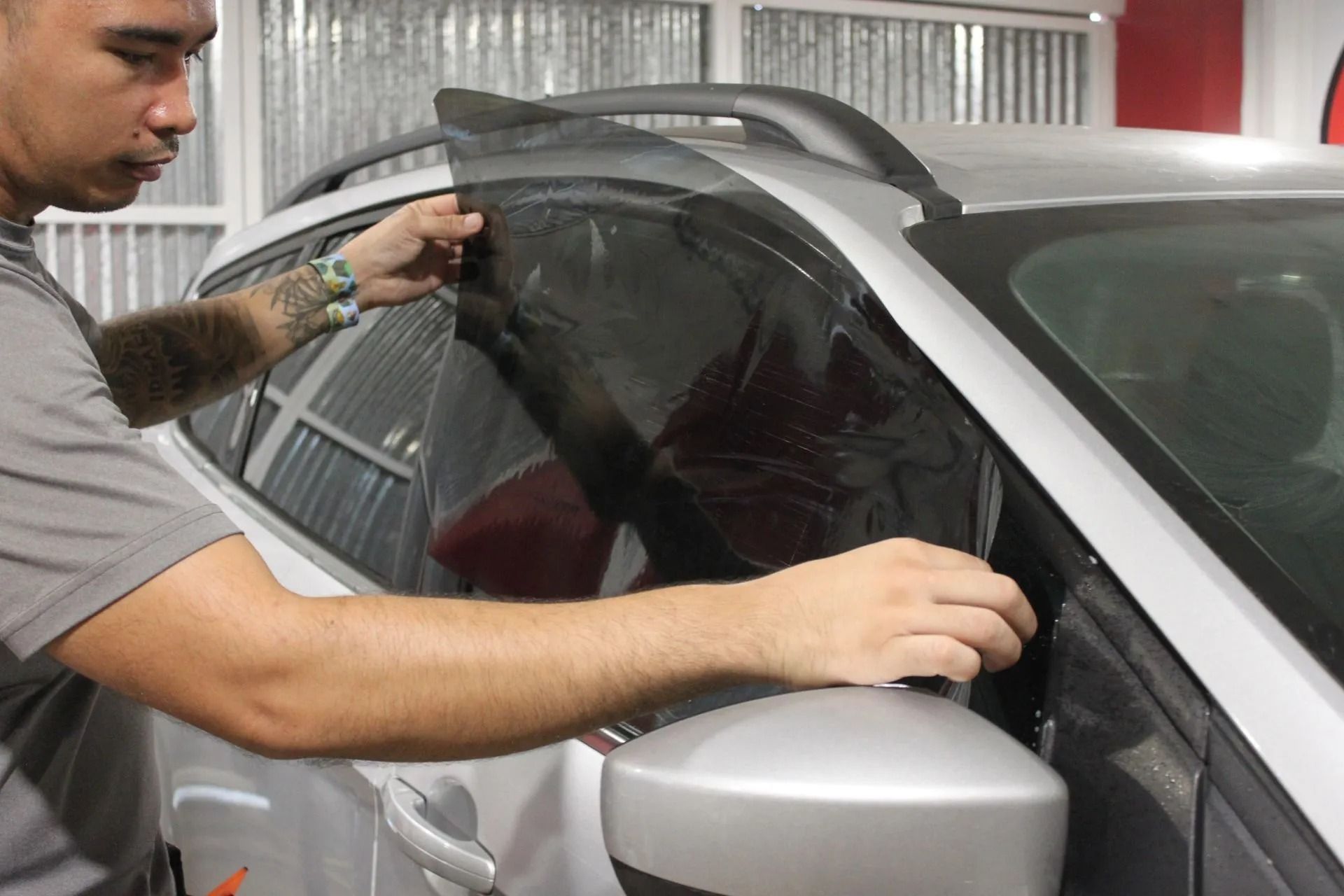
To remove bubbles properly, professionals use a very controlled method called heat shrinking. This process helps the tint lay flat, finish cleanly at the edges, and bond evenly to the glass. When done correctly, the adhesive stays intact and does not form new bubbles later, even under direct sunlight.
At
Cherry Auto Detailing , we provide professional
window tint service in Guamwith high-end films, such as:
- Super Ceramic IR Tint , which provides the highest level of protection from both heat and harmful UV rays.
- C2 Carbon Tint is a more affordable option that still offers effective heat reduction.
If bubbles do not repair, the best and safest long-term option for most customers is to have their entire tint replaced.
If you are unsure whether your tint can be repaired or needs replacement, our
window tint repair service includes a professional inspection. This helps you make a clear decision before any work is done.
Contact ustoday to get free quote!
How Professionals Fix Window Tint Bubbles
Can bubbled window tint be fixed?
Yes, small air bubbles in window film can sometimes be repaired.
Will air bubbles disappear on their own?
No. Air bubbles usually need correction.
How long do water bubbles last?
Water bubbles may fade within 7–30 days.
Does tint reduce heat and UV exposure?
Yes. Quality solar film blocks UV rays and reduces IR heat.
Can I fix bubbles myself?
Only small air bubbles. Permanent defects need professional service.